Ancient huge sea monsters are not something new for sure. Modernity and postmodernity have been deeply marked in pop culture and folk culture by monster tales. From Moby Dick to the Loch Ness Monster and Ed Wood's crazy B-movie films, monsters have been a huge anthem in intriguing people from all over the world. But now, this is happening for a completely different reason!
In distant Newfoundland, under fishing boats and icebergs, something terrifying is happening! A giant creature hides well beneath the sea surface. The locals have long come into contact with this mysterious creature, which seems to love the ice and have a direct connection to the massive icebergs that suddenly appear in the coves along the coast of Newfoundland.
Sea "monsters" are an almost archetypal story.
The monster lurking to swallow us whole is one of the most powerful and enduring archetypes in human psychology, mythology, and literature. It represents the archetype of Chaos, the Unknown, and the Unconscious, as the sea and its depths symbolize the unexplored layers of the human psyche and our primal fears.
This is by no means anything new that would be worth spending time and "ink" to write about. However, when mainstream film and series production meets a global crisis like climate change, it is certainly worth writing about, drawing inspiration from, and finding a way to take the conversation even further.
So, we suggest you watch the series, get inspired, speak to the young people around you—your children, your students if you are an educator—and create something together. Not all educational programs need to have that strict structure of pre-fabricated activities with rigid objectives and learning outcomes.
Educators' time is precious; their endurance and morale are tested daily, and this is something we know very well. Therefore, what we did for you was save you time by designing the basics so you can run a ready-to-use program in your classroom.
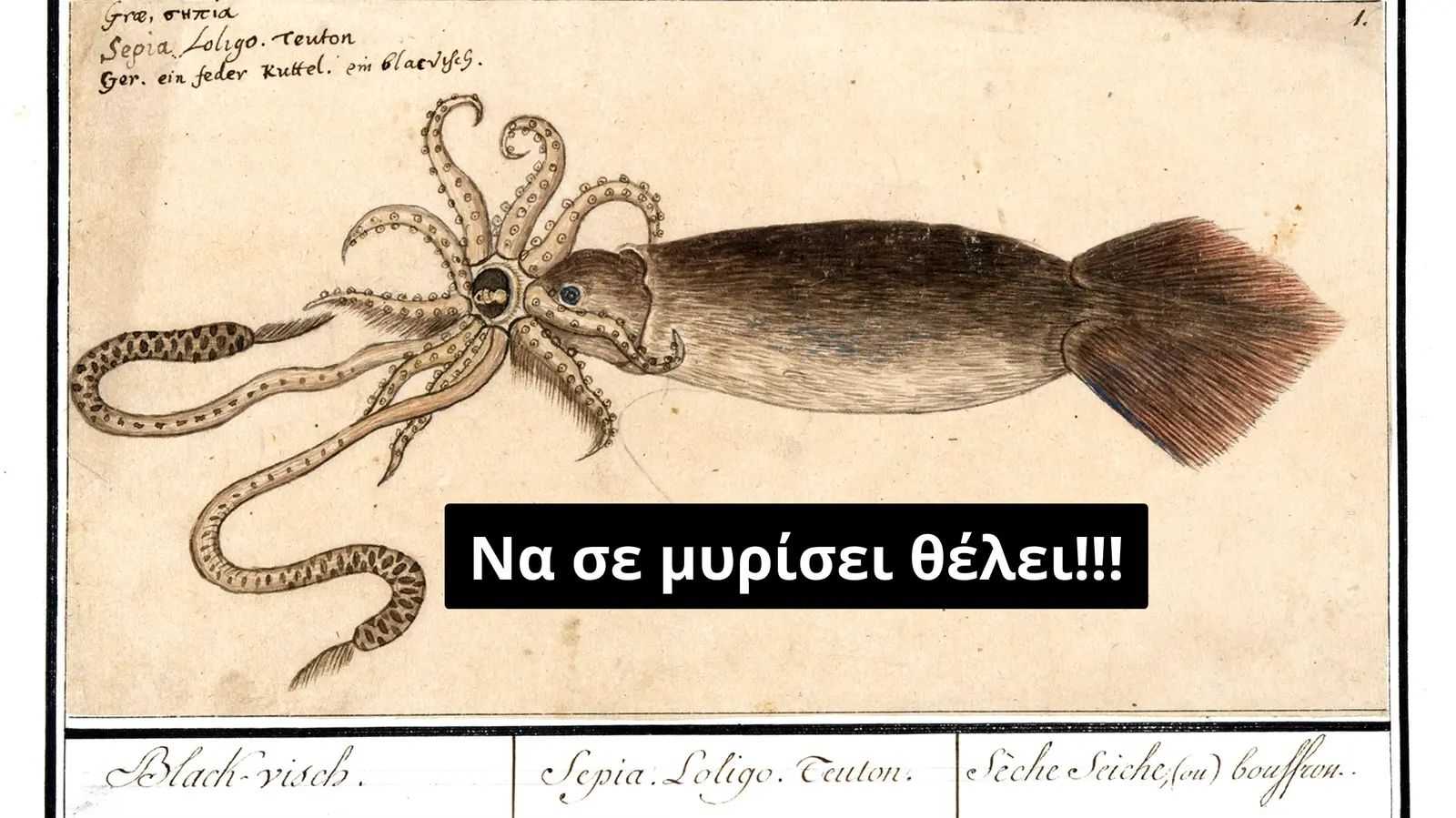
Program Title: "What Lies Beneath the Surface" An alternative title could also be: "Don't be afraid, it just wants to smell you"
Lead-in / Spark: We ask our students to watch the series or at least watch a few episodes at home in case we cannot screen it in the classroom. It is quite easy to show them material in class and engage them in discussion and reflection.
Ages: 15+
Make sure to introduce the discussion on climate change, biodiversity loss, and pollution. There are countless programs in which schools participate, and excellent material is available to learn the basics and gain a fundamental understanding of these issues.
Ages: 15+ Crucial to explain to students are the reasons why the "monster"—that is, the ultra-rare giant cephalopod—becomes aggressive. Namely, its need to protect its young: the exact same need that often drives us humans to become aggressive and violent when faced with a threat. This serves as a great opportunity to introduce topics such as aggressive and invasive/dangerous species into your discussion (for instance, the story of the wolf resurfacing in Greece).
Glacier melting, warming ocean waters, and migration seeking better conditions—whether due to human interference or environmental shifts—form a massive thematic pillar throughout the series. Sometimes through direct references and other times less obviously through symbolism or supernatural overtones, it remains constantly at the center.
Finally, discuss with the students the major issue of the displacement of local communities for corporate profit. This final point is of paramount importance within the series itself, where it is presented in an exceptional manner. Take the risk—talk to your students about "difficult" topics like climate change, and you will see that far from exposing them to danger, you are giving them the tools to find solutions through their own sense-making and interpretation.
Ask the students to write a summary of the series. Engaging with writing again is an activity that will help them organize their thoughts. What could be more important than learning to do proper sorting through the endless unfiltered images, thoughts, and random events that all of us surrounded by screens are called to manage daily? Cultivate this within your classroom.